Winch-Out and Vehicle Recovery in Tysons, VA

Stuck Car Recovery · Ditch & Embankment Pulls · Mud & Snow · 24/7

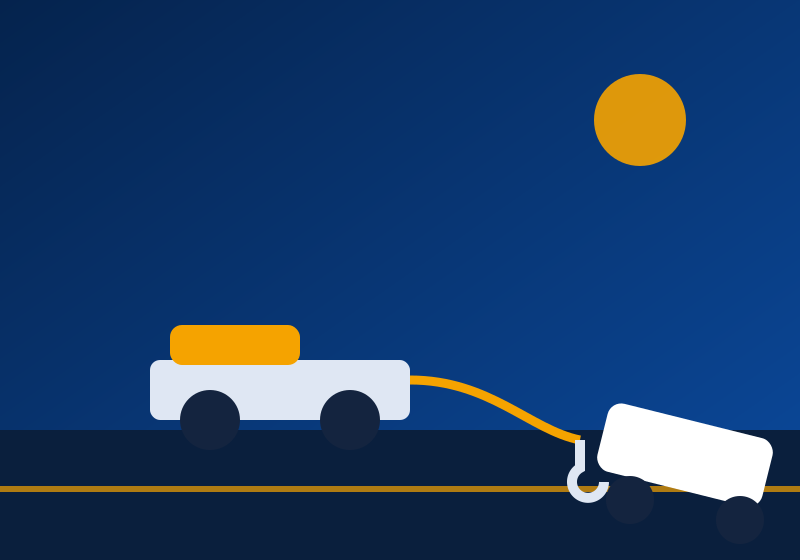
24/7 Tysons Tow Truck provides winch-out and vehicle recovery in Tysons, Virginia and across Fairfax County, pulling cars, SUVs, and light trucks out of ditches, mud, snow, embankments, and soft shoulders. A driver arrives with a winch, recovery straps, and a flatbed, and brings the vehicle back to the pavement without further damage.

Our recovery service covers vehicles stuck in a ditch, off a driveway, in a wet field, in a snowbank, or against a curb after a slide. Once the car is free, we can tow it to a shop, tow it home, or hand it back to you if it is safe to drive.

A typical winch-out in Northern Virginia costs $75–$250 depending on the difficulty and the time needed, and a tow after the recovery typically costs $100–$175. Quoted by phone before dispatch.

571-640-8496

Request a Winch-Out

Why 24/7 Tysons Tow Truck is the Best at Winch-Out and Recovery

24/7 Tysons Tow Truck provides winch-out service in Tysons, VA with a rated winch, recovery straps, a flatbed for the final tow, and a phone quote before dispatch.

  • A truck-mounted winch rated well above the weight of a passenger car or SUV
  • Recovery straps, snatch blocks, and ground anchors chosen for the terrain
  • A phone quote with the recovery fee stated before a truck leaves
  • A driver who checks the underbody for damage before and after the pull
  • Flatbed tow after recovery when the vehicle is not safe to drive
  • Open 24 hours a day, 7 days a week, including snow, ice, and storms
  • Honest advice when a recovery is not safe and a second truck or a different method is needed
Winch-out and vehicle recovery in Tysons, VA
24/7
Dispatch, Every Day of the Year
20
Northern Virginia Cities Served
11
Towing and Roadside Services
$0
To Call for a Phone Quote

Winch-Out and Recovery Services in Tysons, VA

A recovery is more than pulling on a strap. The angle, the anchor point, and the soil all decide whether the car comes out safely.

Ditch and Embankment Recovery

A car in a ditch or on a slope needs a controlled pull, often at an angle to the road. The driver sets the truck on firm ground, runs the cable to a frame tow point, and pulls slowly with the winch.

A typical ditch recovery costs $100–$250 depending on the depth and the slope. Tell the dispatcher how far the car is off the pavement.

Mud, Wet Field and Soft Shoulder Pulls

After heavy rain, soft shoulders and fields can swallow a tire to the axle. A driver uses a recovery strap, a ground anchor, and a winch to pull the car out without spinning the tires.

A mud recovery typically costs $75–$200. Do not keep spinning the wheels, because it digs the car deeper and can overheat the transmission.

Snow and Ice Recovery

When a car slides off a road or into a snowbank, a winch pull is often the safest fix. The driver clears a path, chocks the truck, and pulls the car back onto the pavement.

Snow calls from December through February can be busy, and the dispatcher gives an honest wait time. Stay in the car with the hazards on until the truck arrives.

Recovery and Tow After an Accident

A car that slid off the road after a crash may have damage that makes it unsafe to drive. A winch-out brings it back to the road, and a flatbed tows it to a shop.

The driver photographs the car and the scene before the pull, which helps with an insurance claim.

Signs You Need a Winch-Out in Tysons, VA

A stuck car rarely gets freer with more effort. These signs mean call a driver before the problem gets worse.

The Wheels Spin and the Car Does Not Move

Spinning wheels dig a deeper hole in soft ground, and the car can sink to the frame. Stop and call before the car is stuck so deep it needs a bigger pull.

Leave the wheels turned straight to help a pull.

The Car Is Off the Pavement on a Slope

A car on an embankment can slide further if it is pulled at the wrong angle. A professional recovery uses a controlled pull and a second anchor point.

Do not stay in a car that is tilted toward traffic or water. Stand well clear and wait for help.

The Car Is Stuck in Mud After Rain

Wet clay and soft fill hold a car tightly, and rocking back and forth can bury it. A winch pull with a ground anchor frees it without further damage.

Avoid using a jack on soft ground, because it sinks and the car can fall.

The Car Slid Into a Snowbank or Ice Patch

A car with the wheels in a drift may be held on the frame, and digging by hand is slow. A winch pull is usually faster and safer.

Keep the exhaust clear of snow if the engine is running, because blocked exhaust can cause carbon monoxide to enter the cabin.

The Car Is Against a Curb, a Wall or a Guardrail

A tire jammed against a curb may be bent, and the car may not roll freely. A winch lets the driver pull the car out in a straight line.

The driver checks for bent steering parts and tire damage after the pull.

The Car Is on a Parking Lot Edge or a Landscape Bed

A car that backed over a curb or into a planter may be hung up on its frame. Spinning the wheels can damage the lawn and the car.

A flatbed with a winch can lift or pull the car free without scraping the underbody further.

The Car Is Stuck in a Driveway After Ice

A steep driveway with ice can trap a car at the bottom or the top. A winch pull from the street can move the car without a risky slide.

Spread sand or cat litter under the drive wheels once the car is free, and keep a small bag in the trunk for winter.

How a Winch-Out Works, Step by Step

A typical recovery takes 20–45 minutes once the driver arrives, and each step keeps the car and the driver safe.

1

Call and Site Details

You call 571-640-8496 and describe where the car is, how far it is off the pavement, and what is around it.

The dispatcher asks about the slope, the ground, and whether the engine will start.

2

Quote and Dispatch

You hear the recovery fee and any tow cost before a driver is sent.

Dispatch starts when you agree, and you get an arrival window.

3

Assess and Anchor

The driver walks the area, checks for hazards, and finds a solid tow point on the frame and a safe truck position.

Recovery straps, snatch blocks, or a ground anchor are set to pull in line with the car.

4

Winch and Pull

The winch is engaged slowly, and the driver watches the cable and the car for any shift. The car is pulled back onto firm ground in one steady motion.

If the car does not move, the driver changes the angle or adds a second anchor point.

5

Inspect and Release

The driver checks the underbody, the tires, and the steering for damage, and photographs the car.

If the car is safe to drive, you leave. If not, a flatbed tow to a shop is offered at the quoted rate.

Winch-Out Cost Guide for Tysons, VA

These are typical Northern Virginia vehicle recovery prices for passenger vehicles. The final price is quoted by phone, and it depends on the difficulty, the time needed, the weather, and the time of day.

Service / ScopeTypical CostKey Detail
Simple winch-out from a soft shoulder$75–$125Short pull on stable ground
Ditch or embankment recovery$100–$250Depends on depth and slope
Mud or wet field recovery$75–$200Ground anchor and straps
Snow or ice recovery$100–$225Busy winter calls may add wait time
Recovery after an accident$125–$275Photos taken before the pull
Recovery with a second truck or heavy rigging$250–$450For a deep or difficult pull
After-hours or holiday surcharge$25–$75Applies at night, weekends, and holidays
Flatbed tow after recovery$100–$175First 5–10 miles; per-mile rate after
Additional mileage on a tow$4–$7 per mileStated on the phone before dispatch
Underbody check and photosIncludedPart of every recovery

Typical Northern Virginia pricing, not a guaranteed rate. Difficult recoveries are quoted after the driver sees the site. Call 571-640-8496 for an exact quote.

Winch Recovery vs Tow Strap Pull: Which Is Safer?

A tow strap and another vehicle can seem like the easy fix, but a stuck car can be damaged or the pulling vehicle can be stuck too. The method decides the risk.

Winch Recovery (Recommended)

Controlled pull Yes, slow and steady
Risk of damage to the car Low
Works on a slope Yes, with an anchor
Works in mud or snow Yes
Typical cost $75–$250
Insurance-friendly record Invoice with photos
Right choice for ditches, slopes, mud, snow, or any situation where a jerk could cause damage

Tow Strap and Another Car

Controlled pull No, jerks are common
Risk of damage to the car Higher
Works on a slope Risky
Works in mud or snow Often gets two cars stuck
Typical cost Free, but risky
Insurance-friendly record None
Right choice only on a flat, firm surface with a strap rated for the load and a trained driver

24/7 Tysons Tow Truck uses a winch for a reason: it pulls with a steady force that protects the car and the people nearby.

Winch-Out Service in Tysons, VA: Slopes, Storms and Soft Ground

Tysons is mostly paved, but the edges are not. Steep embankments along the Dulles Toll Road, soft shoulders along Route 7, and wet clay in Great Falls and Vienna can trap a car after a slide or a wrong turn.

Winter ice and summer thunderstorms are the busiest times, with heavy rain turning a ditch into a trap in minutes. A quick call keeps a stuck car from becoming a damaged one.

Embankments Along I-495 and the Dulles Toll Road

A car that leaves the road on a highway embankment can be difficult and dangerous to reach. The driver parks on the shoulder with amber lights and cones, and uses a long cable to reach the car without entering the slope.

Virginia's move-over law, Va. Code § 46.2-861.1, requires drivers to move over or slow down for vehicles with flashing lights. If the car is in a travel lane or the situation is unsafe, the dispatcher may involve the state police or a highway service patrol.

Clay Soil and Heavy Rain

Much of Fairfax County has clay soil that turns slippery and heavy when wet. A car on a clay shoulder or a lawn can sink to the frame after a few minutes of wheel spin.

If your car is stuck in clay, stop the wheels, turn off the engine, and call. A winch with a ground anchor works best on this soil.

Winter Storms, Ice and Snow

Northern Virginia gets about 15–20 inches of snow a year on average, and a single storm can strand dozens of cars. Calls rise within an hour of the first accumulation, and wait times stretch during storms.

The dispatcher gives an honest wait time. Stay in the car with the hazards on, keep the exhaust clear, and run the heater only in short periods to save fuel.

Neighborhoods We Serve

We provide winch-out and recovery in Tysons, Vienna, McLean, Falls Church, Merrifield, Dunn Loring, Oakton, Reston, Herndon, Fairfax, Annandale, and nearby communities. Drivers also reach Great Falls, Arlington, Alexandria, and Sterling on request.

For recoveries in a county park or on a private road, the dispatcher may need permission from the owner or the manager. Give any contact details when you call.

What a Professional Recovery Looks Like

A professional recovery starts with a walk-around, an assessment of the ground, and a plan for the pull. The driver picks an anchor point, sets the winch angle, and checks the cable before any force is applied.

The pull is slow, with a pause if the car does not move. A jerk or a sudden load can break a strap or a tow point, and a controlled pull avoids that risk.

Tow Points, Straps and Winch Ratings

Modern cars have a factory tow eye or a frame hook, and the owner manual shows the location. Straps on a bumper or a plastic panel can tear off, and a pull on the wrong part can bend the frame.

A winch is rated by pounds of line pull, and a typical tow truck winch is rated several times above the weight of a passenger car. The driver uses a snatch block to double the pull when needed.

Why You Should Not Use a Pickup and a Chain

A chain has no stretch and can snap, and a broken chain can fly with great force. A recovery strap stretches slightly and absorbs the load, which makes the pull safer.

Even a strap can fail if it is not rated for the weight or has a cut. Most roadside injuries during a recovery happen when an amateur tries to pull a car with a chain or a rope.

Recovery on Private Property and Driveways

If your car is stuck on a lawn, a drive, or a lot, the driver tries to avoid more damage to the grass, the pavers, or the curb. Planks, mats, or a ground anchor spread the load.

If a recovery will cross a neighbor's property or an HOA lot, tell the dispatcher so the driver can ask for permission. Some HOAs have rules about commercial vehicles on the lawn.

Preventing Your Car From Getting Stuck

Keep a small recovery kit in the trunk with a shovel, a bag of sand, a pair of gloves, and a flashlight. Slow down on wet shoulders and avoid pulling off onto grass after heavy rain.

In winter, keep the fuel tank above a quarter and the tires properly inflated. A set of all-season or winter tires gives better grip than worn summer tires.

Winch-Out and Your Insurance

Many auto policies include a recovery benefit under roadside coverage, with limits that range from $50 to $200 per event. Check your policy and ask the dispatcher for an invoice that lists the date, the time, and the service performed.

If the recovery follows an accident, keep the photos and the invoice together with the claim number. The driver can also provide a short written note about the condition of the car after the pull.
Winch-Out FAQs for Tysons, VA

How much does a winch-out cost in Tysons, VA?

A winch-out in Tysons typically costs $75–$250, depending on the difficulty and the time needed. A simple soft-shoulder pull is $75–$125, and a deep ditch or a slope recovery can reach $250.

A second truck or heavy rigging can run $250–$450. Call 571-640-8496 for an exact quote on your site.

How long does a vehicle recovery take?

A typical winch-out takes 20–45 minutes once the driver arrives, and a hard recovery can take over an hour. Arrival time depends on distance and traffic.

The dispatcher gives you an arrival window when you agree to the quote. Share a map pin to help the driver find you.

Will a winch-out damage my car?

A controlled winch pull on a frame tow point rarely damages a car. The driver checks the underbody before and after, and photographs the car in case any damage is found.

If the car has bent steering parts or a damaged tire, the driver recommends a flatbed tow to a shop instead of driving it.

Can you recover a car from a ditch on the highway?

Yes, when the site is safe to reach. The driver parks on the shoulder with amber lights and uses a long cable to pull the car back to the road.

If the car is on a steep slope near water or a travel lane, the dispatcher may bring in extra help. Stay well away from the road until the driver arrives.

What should I do while I wait for a winch-out?

Turn on the hazards, put the car in park, and stay inside with the belt on if the car is stable. If the car is tilted toward traffic or water, exit away from the danger and stand behind a barrier.

Do not keep spinning the wheels, and do not use a jack on soft ground. Share your location and the details of the slope with the dispatcher.

Can you winch a car stuck in snow or ice?

Yes. A winch pull is often the safest way to move a car out of a snowbank or off an ice patch. The driver clears a path, chocks the truck, and pulls slowly.

Calls from December through February can be busy, and wait times stretch during storms. The dispatcher updates you on the wait.

Do you tow the car after the winch-out?

If the car is safe to drive, you can leave on your own after the recovery. If the car is damaged or will not start, a flatbed tow to a shop or home is available at the quoted rate.

A tow after recovery typically costs $100–$175 for the first 5–10 miles. The dispatcher quotes both services together so the total is clear.

Car Stuck in Tysons?

24/7 Tysons Tow Truck sends a winch truck at any hour, with a price quoted before dispatch.

571-640-8496 – Call for a Free Quote
571-640-8496